Student Life And Campus Experience
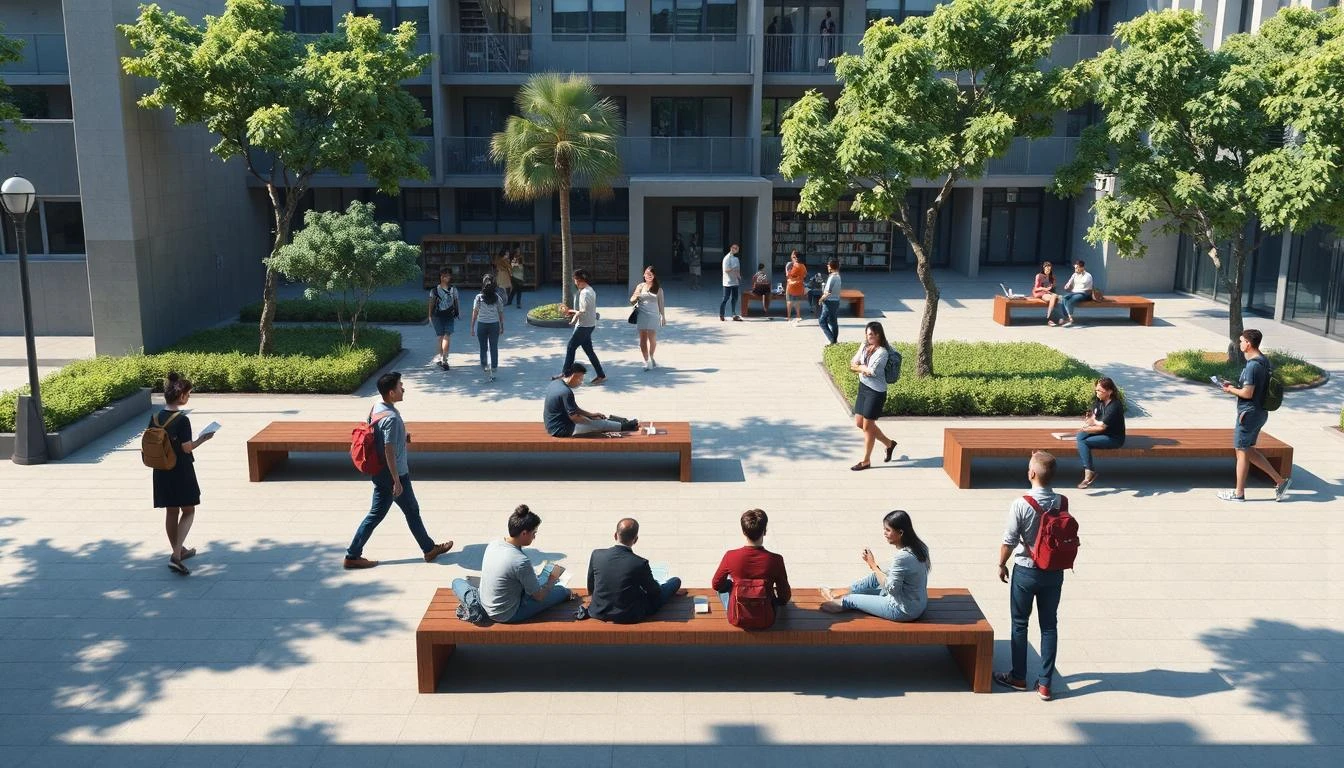
The modern academic world feels less like a rigid classroom system and more like a living, breathing ecosystem where ideas, people, and opportunities constantly interact. Students today are not just passive learners; they are active participants in a global network of knowledge exchange that shapes their future direction in unexpected ways.
Within this evolving environment, student life campus experience becomes a defining force that influences how individuals grow, adapt, and prepare for life beyond graduation. It reflects a deeper shift in education where learning is no longer isolated, but deeply connected to social dynamics, innovation, and real-world engagement.
Exploring Student Life Beyond The Classroom
Student life today stretches far beyond lectures, assignments, and exams. It is a multidimensional experience where learning happens in hallways, student forums, digital spaces, and spontaneous conversations that shape perspective and character.
The idea of campus life has transformed into a space where curiosity meets opportunity. Every interaction can spark new insights, and every activity can reshape how students view their academic and personal journey.
Why campus experiences shape personal development
The influence of campus life on personal growth is profound. The college activities students engage in often become the foundation for leadership skills, emotional intelligence, and adaptability. These experiences encourage students to think beyond theory and into real-life application.
As educational researcher Dr. Linda McCarthy once stated, “A campus is not just a place of learning, but a laboratory of identity formation.” This reflects how students evolve through structured and unstructured learning moments.
In many cases, the student community acts as a mirror that reflects diversity, collaboration, and shared ambition. Through this interaction, students begin to understand themselves better while also learning how to work with others effectively.
The connection between learning and social engagement
Learning is no longer a solitary activity. It thrives in discussion, collaboration, and shared discovery. The academic journey becomes more meaningful when students actively engage with peers and participate in group-based exploration.
Social engagement helps bridge the gap between theory and practice. Students begin to internalize concepts more effectively when they are discussed, debated, and applied in real-time settings.
Discovering opportunities through student activities
Campus involvement opens doors that traditional classroom learning often cannot. From internships to leadership programs, college activities provide pathways for skill development and career exploration.
These experiences also help students uncover hidden strengths. Whether through organizing events, joining clubs, or participating in competitions, students continuously refine their abilities in ways that directly translate into professional readiness.
Understanding The Campus Environment
The campus environment plays a crucial role in shaping how students think, interact, and grow. It is a structured yet flexible space where academic ambition meets social discovery.
Within this environment, students are constantly exposed to new ideas, diverse cultures, and evolving challenges that shape their long-term perspective on education and life.
How academic communities support student growth
Academic environments are built on collaboration and mentorship. The student community provides emotional and intellectual support that helps students navigate challenges more effectively.
According to Professor James Holloway, “Strong academic communities are the backbone of student success because they transform isolation into collaboration.” This highlights how shared learning accelerates growth.
Through discussions, mentoring, and peer learning, students develop confidence and clarity in their academic journey, making education a more interactive process.
The role of clubs organizations and events
Student organizations are essential ecosystems within campus life. They allow individuals to explore creativity, leadership, and teamwork in practical settings.
The college activities within these groups often simulate real-world challenges, helping students develop problem-solving skills and organizational awareness.
Events such as seminars, cultural festivals, and workshops strengthen the student community while creating opportunities for collaboration and innovation.
Exploring resources available to students
Modern campuses provide extensive academic and digital resources that enhance learning experiences. Libraries, innovation labs, and online platforms all contribute to a more enriched academic journey.
When students actively use these resources, they gain a competitive advantage that extends beyond graduation. These tools support deeper understanding and practical application of knowledge.
Making The Most Of The Student Experience
Maximizing campus life requires intentional engagement and a willingness to step outside comfort zones. The student life campus experience becomes more meaningful when students actively participate rather than observe from the sidelines.
Every decision, from joining a club to attending an event, contributes to shaping a more complete academic identity.
Balancing academic responsibilities and personal interests
Balancing study and personal development is essential for long-term success. While academic performance remains a priority, college activities help maintain mental balance and emotional well-being.
The student community plays a supportive role in helping students manage stress and stay motivated throughout their academic journey.
Building friendships and professional connections
Relationships formed during university often become long-term professional networks. These connections are built through shared experiences, teamwork, and mutual support.
As sociologist Dr. Henry Clarkson explains, “The most valuable university outcome is not only knowledge, but the network that carries that knowledge into the future.” This reflects how campus interactions extend beyond education into career development.
Creating meaningful memories throughout the academic journey
Every stage of university life contributes to personal storytelling. From late-night study sessions to group projects, each moment becomes part of a larger narrative.
These experiences shape identity, resilience, and perspective, making the student life campus experience both memorable and transformative.
Enjoy A Rewarding Student Life Experience
Campus life is not just about preparation for the future, it is about living fully in the present while building the foundation for what comes next. The student life campus experience becomes a journey of discovery where learning, connection, and growth intersect naturally.
Students who embrace opportunities within the student community often find themselves developing skills and insights that extend far beyond academic expectations. The academic journey becomes less about completion and more about transformation.
The deeper question remains: how much of campus life are you truly experiencing, and how much are you simply passing through without noticing its potential?
A rewarding student experience is not created by chance, it is shaped by participation, curiosity, and engagement with every opportunity that comes your way.
As philosopher John Dewey once said, “Education is not preparation for life; education is life itself.”
The invitation is simple: step into your student life campus experience, engage with your surroundings, and allow every moment to contribute to who you are becoming.